SPF Annual report 2025

Back to report

Welcome

Welcome to the SPF annual report 2025

We have brought 2025 into focus for you. In this annual report, we show the most important developments and figures at SPF and summarize the main points. What has SPF done with your pension money? How did the funding ratio develop, and what about the investment results?

If you want to stay well informed about developments at your own pension fund, please read this annual report. Click here for a printable version of the 2025 annual report (PDF). More information about the year 2025 at SPF can be read in the full annual report on the SPF website under Downloads.

Key figures

The year in key figures

2025 in key figures: an overview of participants, assets, contributions, return, funding ratios and indexation.

Participants

Total

20248,802 persons
20258,799 persons

-0.03% decline

Active

20242,868 persons
20252,664 persons

-7.1% decline

Deferred participants

20243,345 persons
20253,389 persons

+1.3% growth

Pensioners

20242,589 persons
20252,746 persons

+6.1% growth

Financial key figures

Pension liabilities

20242,616 million euro
20252,279 million euro

-12.9% decline

Pension liabilities are the pensions that SPF must pay out now and in the future.

Pension assets

20243,065 million euro
20252,958 million euro

-3.5% decline

Pension assets are the assets of SPF: investments plus other receivables minus other liabilities.

Contributions received

202459.3 million euro
202558.7 million euro

-1% decline

Contributions received are the contributions paid by employer and employee for pension accrual.

Pension payments

202478.6 million euro
202583.7 million euro

+6.5% growth

Pension benefit payments are the benefits for pensions that have already commenced.

Total invested assets

20243,060.7 million euro
20252,957 million euro

-3.4% decline

Total invested assets is the total value of the investment portfolios.

Investment return

Investment return

2025-2.3%

Investment return shows how much return SPF achieved on its investments during the year. This can be interest (on bonds), dividends (on shares), or the increase or decrease in the market value of a pension fund's assets.

Funding ratios

Funding ratio

Start 2025117.1%
Eind 2025129.8%

+12.7% growth

The funding ratio is a measure of SPF's financial position, expressed as a percentage. This percentage represents the ratio between SPF's assets and all financial liabilities, now and in the future. The higher the funding ratio, the more certain it is that SPF can pay out the promised pensions.

Policy funding ratio

Start 2025119.7%
Eind 2025124%

+4.3% growth

The policy funding ratio is the average funding ratio over the last 12 months.

Required funding ratio

Start 2025120%
Eind 2025119.8%

-0.2% decline

The required funding ratio indicates how high SPF's policy funding ratio must legally be. If the policy funding ratio falls below the required funding ratio, SPF must submit a recovery plan.

Minimum required funding ratio

Start 2025104.2%
Eind 2025104.2%

+0% growth

The minimum required funding ratio indicates the absolute lower limit. If SPF's policy funding ratio falls below this, there is a funding deficit. SPF then has too little assets to be able to pay pensions in the future. If the policy funding ratio remains below the minimum required funding ratio for 5 years, SPF must reduce (cut) the (accrued) pensions.

Indexation

Indexation for pensioners and deferred participants

20241.01%
20251.57%

SPF aims to increase pensions every year and allow them to grow in line with price or wage increases. This is called indexation or granting of supplements.

Indexation for active participants

20241.65%
20250.52%

SPF aims to increase pensions every year and allow them to grow in line with price or wage increases. This is called indexation or granting of supplements.

Finances

The financial position

The funding ratio is an important measure of the financial situation of the pension fund. The funding ratio indicates the extent to which the pension assets at a given moment are sufficient to meet all future pension obligations (in particular the pension payouts).

Funding ratio

Start 2025117.1%
Eind 2025129.8%

+12.7% growth

The funding ratio is a measure of SPF's financial position, expressed as a percentage. This percentage represents the ratio between SPF's assets and all financial liabilities, now and in the future. The higher the funding ratio, the more certain it is that SPF can pay out the promised pensions.

Policy funding ratio

Start 2025119.7%
Eind 2025124%

+4.3% growth

The policy funding ratio is the average funding ratio over the last 12 months.

We are happy to explain how the funding ratio for 2025 was calculated.

Download funding ratio calculation pdf

Download funding ratio calculation pdf
In addition to the funding ratio, a pension fund must also calculate a so-called ‘policy funding ratio’. This policy funding ratio is the average of the last twelve monthly funding ratios. Based on the level of the policy funding ratio, it is determined whether a pension fund must reduce accrued pensions and pensions in payment.

Based on the level of this policy funding ratio, it is also determined whether a pension fund is in a deficit situation and must submit a recovery plan to De Nederlandsche Bank. In a recovery plan, a fund indicates how it expects to achieve a higher funding ratio in the coming years. The policy funding ratio determines whether or not indexation is granted.

As of 1 January 2025, SPF was in a reserve deficit (because the policy funding ratio (119.7%) is lower than the required funding ratio (120.0%)) and as a result SPF submitted a recovery plan to DNB in 2025. As of 1 January 2026, SPF no longer had a reserve deficit (because the policy funding ratio (124.0%) is higher than the required funding ratio (119.8%) and therefore SPF does not need to submit a recovery plan in 2026.

Pension increase

Full increase140%
Partial increase110%
No increase and increased chance of reduction100%

Based on the indexation policy, the board decided in 2025 to grant indexation as of 1 January 2026 to active participants and pension beneficiaries as well as former participants, based on the financial situation of the fund as at the end of 2025. The fund grants an indexation of 39.3% of the maximum benchmark. This means an indexation of 1.65% for active participants and an indexation of 1.01% for former participants and pension beneficiaries.

SPF tries to increase the pension of pension beneficiaries and former participants each year in line with price increases and to increase the pension of active participants in line with wage increases. This is SPF's ambition and this is called indexation. This is only possible if the financial situation of the pension fund is good enough.

More information about indexation can be found on the SPF website.

Indexation for pensioners and deferred participants

20241.01%
20251.57%

SPF aims to increase pensions every year and allow them to grow in line with price or wage increases. This is called indexation or granting of supplements.

Indexation for active participants

20241.65%
20250.52%

SPF aims to increase pensions every year and allow them to grow in line with price or wage increases. This is called indexation or granting of supplements.

Investments

How we invest the money

To be able to pay out pensions every month, pension contributions alone are not sufficient. A pension fund must invest. By investing, we make a profit. That is return. In the long term, investments yield a higher return than a savings account. The return indicates what the investment has generated and is expressed as a percentage.

Investment portfolio

2025
2024
Total invested assets (in € mln)
2,957
3,061

The "Total invested assets" is shown in millions of euros. Here, the total amount for 2025 is compared with that of 2024.

Categorymln. euro (2025)mln. euro (2024)Weight (2025)Weight (2024)
Total invested assets2,957 mln. euro3,061 mln. euro100%100%
Matching portfolio1,422 mln. euro1,523 mln. euro44.6%49.8%
Return portfolio1,289 mln. euro1,334 mln. euro50%50.1%

SPF has split the investments into a matching portfolio and a return portfolio.

Matching portfolio
The objective of the matching portfolio is to achieve a favorable risk/return profile with high-credit-quality bonds. This pursues a high degree of certainty. With this, we hedge part of the interest rate risk.

Return portfolio
The objective of the return portfolio is to achieve sufficient return to realize the indexation ambition. Through active management, an attempt is made within the allowed risk budget to achieve additional return after costs or to achieve a lower risk profile.

To reduce risk, SPF spreads investments across various categories. These include, for example:

Inflation-linked bonds▾

These are loans to (in particular) governments, where interest and principal payments are linked to inflation. This means that you are compensated for realized inflation, thereby securing a real return.

Investment grade credits▾

These are loans to companies with a good credit rating. The term of these loans is generally relatively short (4-5 years). Due to the good credit rating, the likelihood that the loans including interest will be repaid is very high and the risk is low.

Bonds and loans (fixed-income securities)▾

This involves lending money worldwide to governments and companies. The return (the so-called interest compensation) is generally stable. In addition, SPF also invests in Dutch residential mortgages.

Equities▾

With this, a stake is taken worldwide in the capital of a company. In the longer term, a higher return can be expected than on bonds, but the risk is relatively high.

Alternative investments▾

This is an investment category from which an attractive return is expected in the medium term. The investments within this sub-portfolio therefore aim for an attractive return without being dependent on benchmarks.

Real estate▾

Real estate can be invested in in two ways: directly (houses, shops and offices) and indirectly (shares in real estate funds). SPF invests worldwide only in indirect real estate.

Currency overlay▾

Investments take place in various currencies. To limit the influence of currencies on the fund's return in euros, currency overlay is used.

Interest rate overlay▾

The interest rate sensitivity of the pension liabilities differs from the investments. To limit this risk, part of the interest rate risk is hedged with fixed-income securities and derivatives.

Investment return (%)

Category2025Benchmark (%)
Matching portfolio-13.5%-14%
Interest overlay (contribution)-10.3%-10.3%
Matching portfolio ex swaps-3.2%-3.7%
Government bonds-7.4%-7.5%
IL bonds-3.9%-3.8%
Credits3.1%2.9%
Mortgages1.1%-1.3%
Return portfolio9.7%9.6%
Currency overlay (contribution)3.2%3.2%
Equities9.9%10.8%
Bonds2.5%1.4%
Listed real estate1.9%0.8%
Unlisted real estate4.4%4.5%
Infrastructure6.5%4.5%
Private Equity51.9%51.9%
Cash0%0%
Total-2.3%-2.8%

You do not need to be alarmed by a negative return. SPF invests with a long horizon. Fluctuations are expected to be compensated over the years.

At the end of 2025, the 5-year average net return is -0.5% on an annualized basis.
The 10-year average net return of SPF at the end of 2025 is 3.2% on an annualized basis.

Transaction costs

Transaction costs are costs that must be incurred to execute purchases and sales and to process these purchases and sales administratively.

20240.09%
20250.06%

Decrease/growth

-0.03%

Asset management costs

Asset management costs are costs for managing the investments, expressed as a percentage of the average invested capital.

20240.49%
20250.5%

Decrease/growth

0.1%

Communication

SPF uses various channels to communicate with its members

Some communication channels in figures

www.spf-pensioenen.nl

31,613Visits
87Average visits per day

Digital newsletter

7,263Subscribers
4Sent
67%Opened

My SPF pension

20,635Visits
56Average visits per day
83.7%Post-Digital users

Appreciation

NL Planner

8.1

Rating

My SPF pension

8.2

Rating

Pension Journey

Pension journey entering service

148Sent
86Visits

Personal conversations

116Count

Personal conversations breakdown

Total conversations age 40

3

Conversations

Total conversations age 50

17

Conversations

Total conversations age 60

37

Conversations

These are questions that can and must be answered within 3 business days.

First-line questions

514Total
97.3%Timely
8.2Rating

These more complex questions must be answered within 10 working days.

Second-line questions

337Total
95.8%Timely
8.1Rating

Appreciation

Retirement pension grant

8.3

Rating

Partner pension grant

8.7

Rating

Value transfer

8.4

Rating

Appreciation of personal conversations

9.2

Rating

Conversations 116

Accountability Body

What does the Accountability Council think?

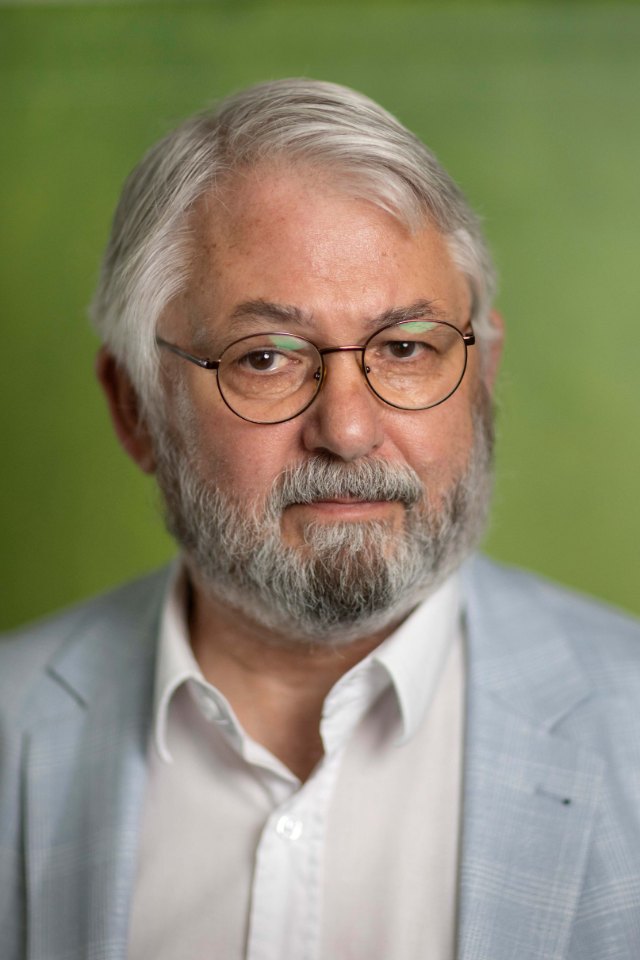
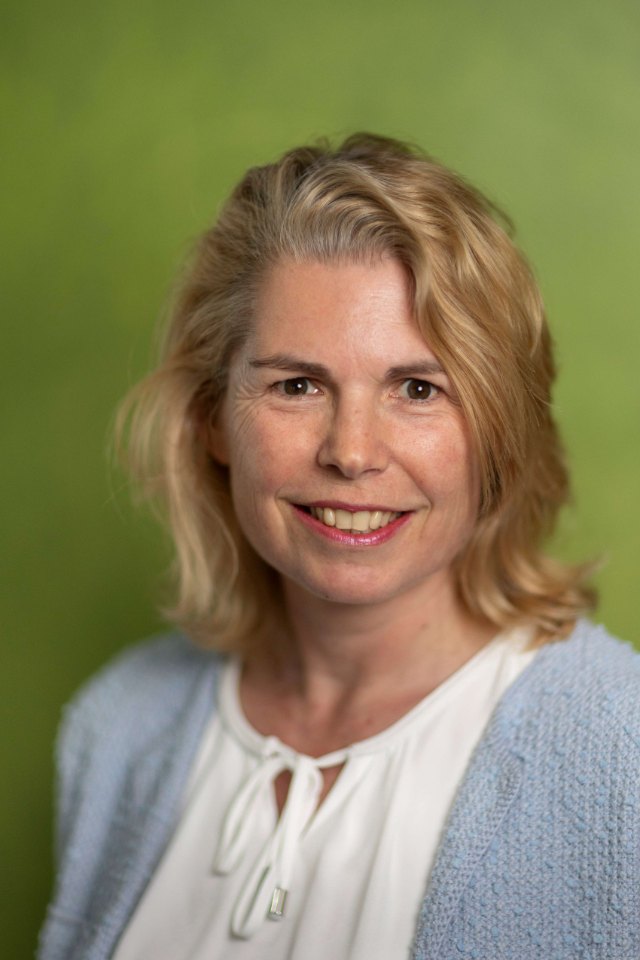
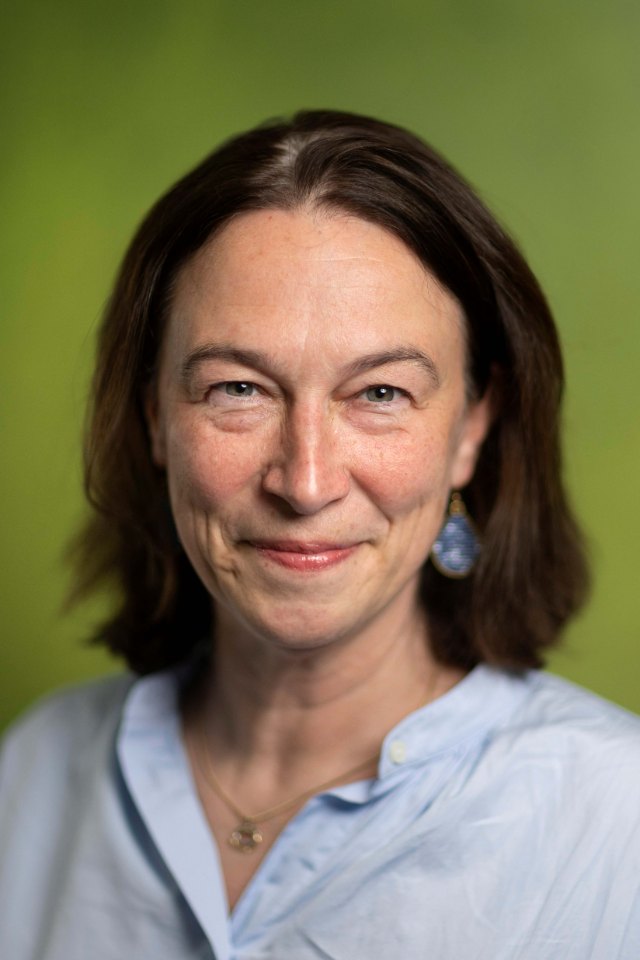
The Accountability Council (AC) has the authority to issue an opinion on the actions of the Board, the policy pursued by the Board and the policy choices for the future. In the assessment, the decisive factor is whether there was a balanced consideration of interests. The Accountability Council consists of six members.

The accountability council

raymond van eijndhoven

raymond van eijndhoven

Toine jansen

Toine jansen

deputy chairman

rolf van kouwen

rolf van kouwen

chairman

bas kroes

bas kroes

ineke pranger

ineke pranger

jacques slabbers

jacques slabbers

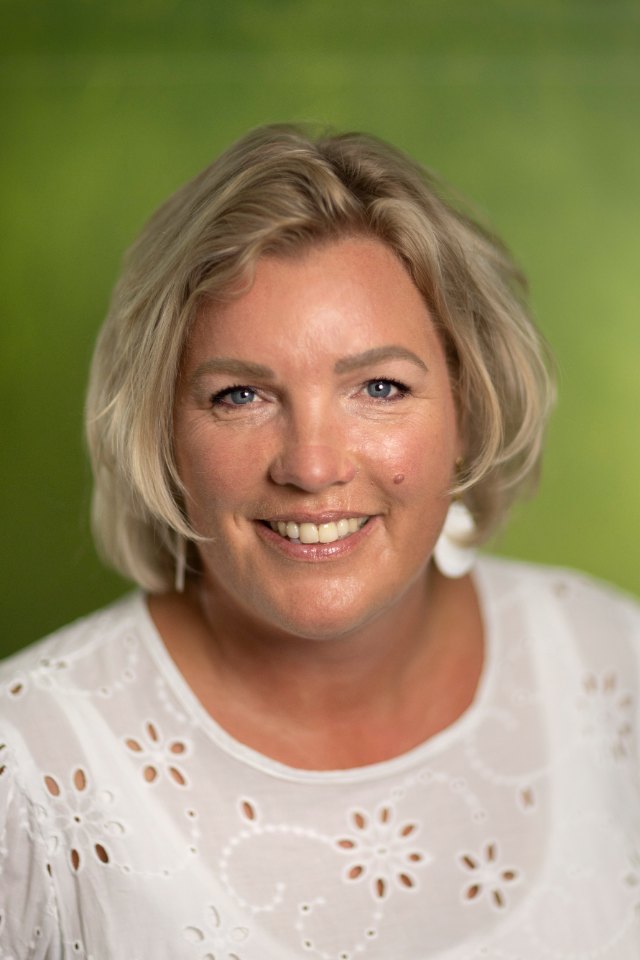
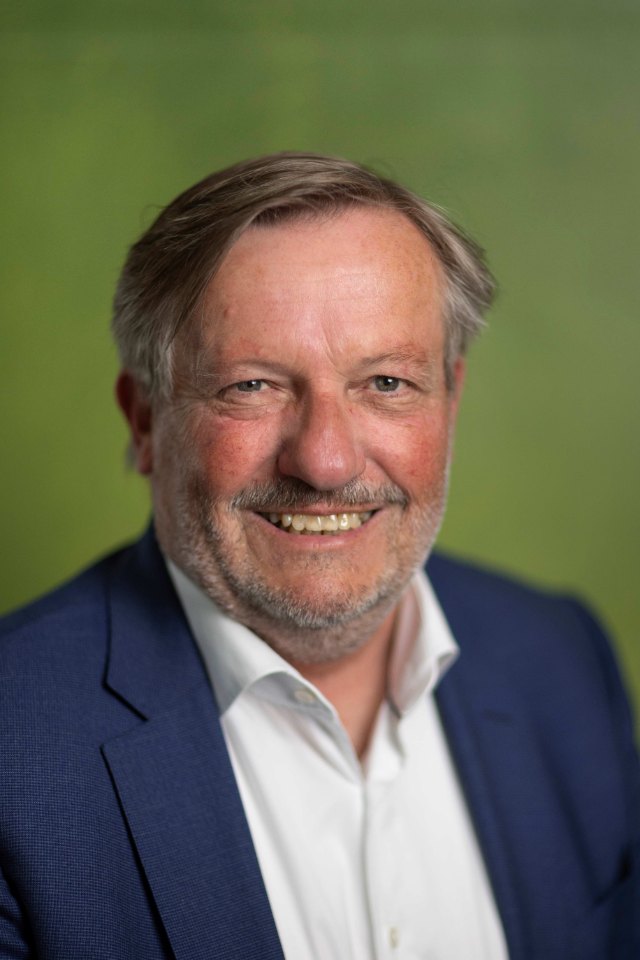
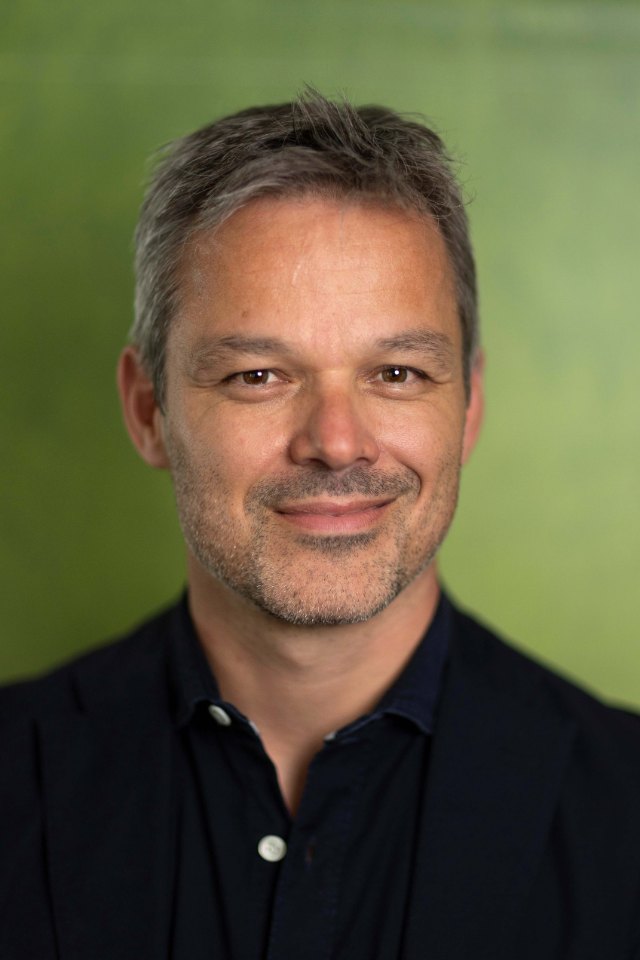
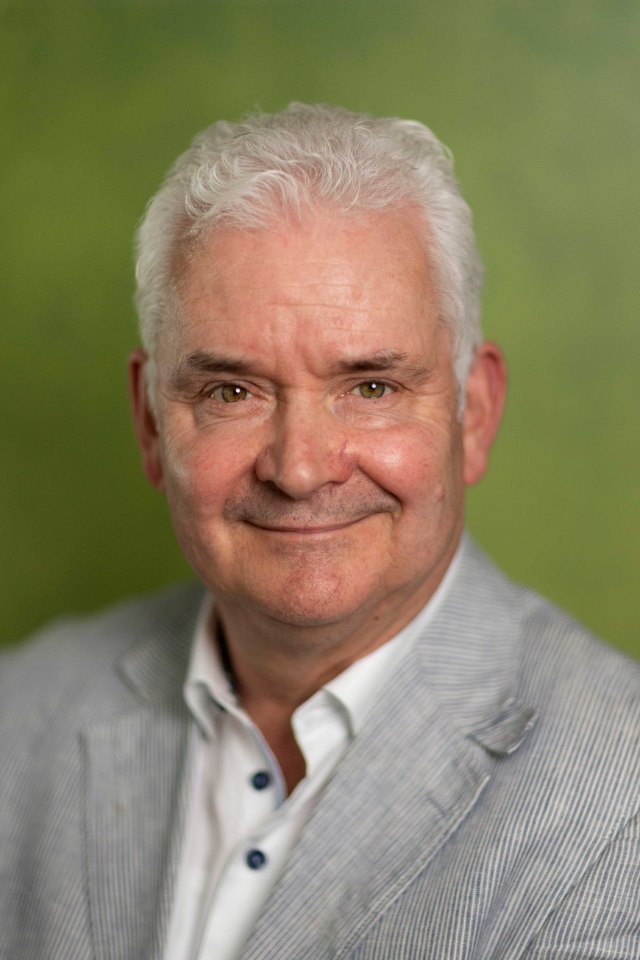
In 2025, several changes occurred in the composition of the AC. As of 1 January 2025, Ineke Pranger joined the AC on behalf of the constituency of pensioners of Bergen op Zoom. On 4 April 2025, the term of office of the two members representing active participants expired. Herman Polderman and René Witjes decided not to stand for re-election and ended their membership of the AC. Raymond van Eijndhoven and Bas Kroes were appointed to fill these vacant positions. Raymond van Eijndhoven was elected based on elections among the participants. Bas Kroes was the sole candidate and was appointed on that basis.

Summary opinion

The Accountability Council's opinion on the 2025 financial year is positive.

The AC notes that the Board's agenda in 2025 was largely determined by the further elaboration of the transition to the new pension contract under the Wtp. This extensive and complex file rightly received full board priority. The AC establishes that the Board has taken important steps in this context towards concluding the transition process and the final transition decision (invaarbesluit).

Throughout this process, the AC was involved in a timely and substantive manner and was able to observe that decision-making took place on the basis of careful analyses and with due regard for the interests of all participant groups, including the approach to indexation backlogs. At the beginning of 2026, using its enhanced right of advice, the AC issued a unanimously positive advice on the proposed transition decision. This advice forms an important benchmark in assessing the policy pursued in 2025.

In addition to the Wtp transition, the AC maintained its focus on Information Technology (IT) and cyber resilience, balanced consideration of interests, execution costs, and communication towards participants. The AC notes that the Board structurally kept these topics on the agenda and actively steered them.

Overall, the AC concludes that in 2025, a year characterized by an exceptionally extensive and complex transition, the Board fulfilled its responsibilities diligently and that business operations were managed in a controlled and ethical manner.

Advice issued

In 2025, the AC issued several advisory opinions. The AC issued a positive advisory opinion on the profile for a member of the Supervisory Board, with the recommendation to explicitly emphasize experience with change processes in the profile, given the phase the fund is currently in. In addition, the AC issued a positive advisory opinion on the update of the Remuneration Policy and on the Communication Policy Plan.

These advisory opinions fit within the role of the AC to contribute to careful decision-making, good governance, and transparent communication from the perspective of the stakeholders.

Key priorities of the AC in 2026

The key priorities of the AC established in previous years will remain fully in force in 2026. The Wtp transition, IT and cyber resilience, balanced decision-making, and communication with participants will also form the core of the AC's supervisory agenda in 2026.

For the Wtp transition, the focus will shift to the final assessment of balanced treatment on the actual transition date and to the careful completion of the implementation. Timely and understandable communication with participants, taking into account different target groups and actionable perspectives, will also receive explicit attention in 2026.

In addition, the AC will continue to pay attention to IT systems and cyber resilience in 2026, given the importance of a stable and reliable execution around the transition.

SABIC recently announced that agreements have been signed for the sale of two European divisions. Within its responsibilities, the AC will closely monitor the potential impact of these developments on the pension fund in 2026.

In conclusion

The transition to the new pension system requires a major effort from everyone involved with SPF. The AC notes that the Board addressed this challenge in 2025 with dedication, expertise, and care, and expects this approach to continue in 2026.

The timely involvement of the AC, openness in decision-making, and constructive cooperation between the various bodies contribute to the confidence that the Board will continue to represent the interests of all groups of participants in a balanced manner in the coming phase.

The full text of the AC's opinion and the SPF Board's response to it can be found in the complete annual report on the SPF website under Downloads.


Supervisory board

The conclusion of the Supervisory Board

The Board is supervised by the Supervisory Board. For example, the board assesses whether the fund's procedures and processes are in order, how the fund is managed, and how the fund deals with the fund's long-term risks. The Supervisory Board consists of three members.

Composition

Alex de haas

Alex de haas

stephan linnenbank

stephan linnenbank

Chairman

geertje strampel

geertje strampel

The Supervisory Board appreciates the commitment and dedication with which the board has further shaped the preparations for the transition to a new scheme in accordance with the Future Pensions Act (Wtp) over the past year. Important steps have been taken with the elaboration of the complete decision-making process, the approval of the partial Data Quality assessment, and the submission of the partial Risk Attitude assessment. The final adoption of the Transition Plan by social partners experienced some delay, as a result of which, in consultation with social partners, the transition date was moved to 1 January 2027. In early 2026, the board made a final decision on task acceptance and subsequently submitted the dossier to De Nederlandsche Bank (DNB) for review. In the coming year as well, much of the board's attention will be focused on the assessment process by DNB, the implementation at the provider DPS, and communication to (former) participants and pensioners.

In addition to all the attention paid to the Wtp, the board focused on developments at SABIC, the planned SWOT analysis regarding the pension fund itself, and cybersecurity. The Supervisory Board once again notes that decision-making is carried out carefully and that the various interests are balanced evenly.

In this context, the Supervisory Board requests attention for 2026 for the following:

  1. The Supervisory Board recommends that the board develop a vision on the future of the pension fund and the governance model used, partly in light of developments at the sponsor SABIC. The Supervisory Board advises the board to prioritize the management of transition risks and operational readiness in the coming period. In doing so, the board must ensure sufficient assurance, among other things through the deployment of targeted (internal) audits on the most critical parts.
  2. The Supervisory Board advises maintaining continuous attention for sufficient capacity at DPS.
  3. Given the important role of the key functions in the Wtp process, the Supervisory Board recommends paying attention to the deployment of the Internal Audit Key Function in the Wtp process.
  4. The Supervisory Board recommends that the board explicitly pay attention in the coming period to carefully formulating, executing, monitoring, and, if necessary, adjusting the communication policy, both as part of the implementation plan and in the period after the transition.


The full text of the findings and recommendations of the Supervisory Board and the SPF board's response to them can be found in the full annual report on the website of SPF under Downloads.

Board

The composition of the Board

The SPF Board consists of ten voting members who are all appointed by the Board. Four members are jointly nominated by the employers (SABIC Europe BV, SABIC Limburg BV, SABIC Capital BV, SABIC Innovative Plastics BV, SABIC Global Technologies BV, SHPP BV, SHPP Sales BV and SHPP Global Technologies BV). The works councils of SABIC nominate two members. Two members are elected from and by the pensioners of the fund. The independent chairman and the two external board professionals are appointed by the Board.

The Executive Board consists of the chairman and the deputy chairman. The Executive Board handles daily (operational) matters arising from policy choices and fitting within the frameworks set by the Board.

The Board has taken note of the findings and recommendations of the Supervisory Board and the Accountability Council. A number of findings and recommendations will lead to actions by the Board in 2026.

The Board's complete response to the opinions of the Supervisory Board and the Accountability Council, as well as the text of those evalutaions, can be read in the full annual report of SPF (PDF). This is available on the SPF website under Downloads.
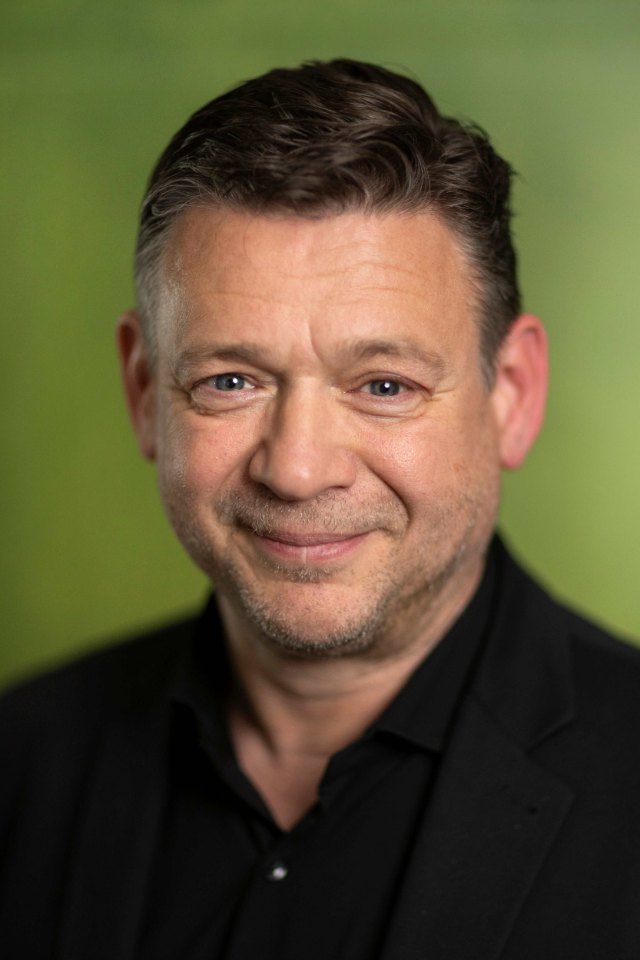
Board composition

arnout korteweg

arnout korteweg

Chairman, external independent advisor

jos van gisbergen

jos van gisbergen

Nominated by employer

maurice pelsers

maurice pelsers

Nominated by employer

juul zegers

juul zegers

Nominated by employer

giselle verwoort

giselle verwoort

Nominated by the works councils

rudger schiewer

rudger schiewer

Nominated by the works councils, deputy chairman

math peeters

math peeters

Appointed after election from and by pensioners

arthur smit

arthur smit

Appointed following election from and by pensioners

angela peters

angela peters

Appointed by the board, board professionals

kim haasbroek

kim haasbroek

Appointed by the board, board professionals

Sustainability

The sustainability policy

Sustainability is an important part of SPF's investment philosophy and investment principles. With its sustainability policy, the fund aims to contribute to sustainable development while maintaining the risk-return profile of the portfolio.

SPF refined its sustainability ambition and principles and expanded its sustainability investment belief. A gap analysis was performed on the existing sustainability policy and translated into policy planning.

The different pillars of the sustainability policy are briefly explained below.

Klimaat en Circulariteit▾

SPF onderschrijft de OESO-richtlijnen voor multinationale ondernemingen en de “UN Guiding Principles on Business and Human Rights”. Het fonds focust op specifieke maatschappelijke ontwikkelingen die voor de deelnemers belangrijk zijn én die risicovol zijn voor de beleggingsportefeuille. Tegen deze achtergrond zet SPF in het bijzonder in op het duurzaamheidsthema klimaatverandering.

ESG-integratie▾

SPF benut waar mogelijk ESG-factoren in het beheer en voor de beoordeling van de beleggingen. ESG staat voor Environmental, Social en Governance. Het fonds integreert ESG-aspecten in de verschillende beleggingscategorieën en neemt ze mee bij investeringsbeslissingen.

Engagement▾

SPF heeft een actief engagementprogramma. Het fonds wil bedrijven aansporen stappen te zetten op het gebied van maatschappelijke duurzaamheidsvraagstukken. Dit gebeurt proactief en reactief.

Stembeleid en Corporate Governance▾

SPF houdt met een specifieke stemaanpak toezicht op materiële aangelegenheden van beursgenoteerde ondernemingen waarin het fonds belegt. Het beleid richt zich op het beschermen van belangen als aandeelhouder.

Uitsluitingen▾

SPF belegt niet in ondernemingen die onacceptabel gedrag vertonen of betrokken zijn bij controversiële wapens, tabak, kolen, olie uit teerzanden, de gokindustrie of activiteiten die door overheden onaanvaardbaar worden gevonden.

Transparantie▾

Om transparant te zijn over het duurzaamheidsbeleid en de uitvoering daarvan publiceert SPF hierover jaarlijks in het jaarverslag, op de website en in de SPF Nieuwsbrief.

Outlook

Outlook for 2026

Market expectations and geopolitical uncertainties

Geopolitical tensions increased in 2025. US policy is causing uncertainty in financial markets. This trend is expected to continue in 2026. Where previously the promotion of mutual trade was assessed as positive, increasing emphasis is being placed on autarky for certain business sectors.

Geopolitical aspects of China's and the EU's policies are also receiving renewed interest. On balance, financial markets paid little attention to this unrest in 2025.

Equities continued to rise and reached new record levels. How this situation will develop further in 2026 is uncertain. Equity valuations are high, especially for shares linked to artificial intelligence (AI). Future profit expectations and realizations will have to support these valuations to avoid causing a negative reaction in the markets. Geopolitical unrest can also cause increasing volatility. Concerns about debt levels and rising and high budget deficits remain high. Economic growth expectations are falling, but are not yet alarming. Inflation fell in 2025, but is still at a higher level than desired, especially in the US. With regard to central bank policy, the European Central Bank is expected to leave official interest rates unchanged for the time being, while the US central bank is expected to cut key policy rates by a few steps, especially in the second half of 2026.

Financial position

In the course of 2025, the fund's funding ratio increased by over 12 percentage points, prior to indexation as of 1 January 2026. A higher funding ratio simplifies the transition to the scheme under the Wtp. During the coming year, the board will continuously monitor the development of the funding ratio and assess whether any further protective measures should be taken.

Future Pensions Act

At the end of January 2026, the board took the decision to accept the assignment for changing its pension systems to the Solidary Scheme. Subsequently, all relevant documents were made available to the supervisory authorities, DNB and the AFM, for assessment. Experience at other pension funds shows that both supervisors still have questions, desire further explanation, and sometimes wish to discuss choices made by the board. DNB aims to issue the decision for the transition in the summer.

At the beginning of 2026, DNB approved the partial review file for Risk Attitude. The board had previously submitted this sub-file to DNB. The purpose of this was to obtain prior agreement on this part of the transition file – in addition to Data Quality. After submitting the transition file to the supervisors, SPF's focus is largely directed towards the implementation of the execution of the new scheme and, in particular, communication to participants.

Lump Sum Revision Act

The bill was adopted by the House of Representatives on 8 October 2024 and is currently still being processed by the Senate. There is much discussion there about the feasibility of the law. This led the Minister to have Nibud conduct a preliminary study into a tool for the lump sum. Furthermore, the effective date has been postponed to 1 July 2026. Recently, the Minister announced that 1 July 2026 does not appear to be feasible as an effective date. Several parliamentary groups have indicated that postponement should be considered until the Wtp transition is completed. The board continues to monitor further developments and ensure that the fund is ready for it when the law comes into force.

Other legislation and regulations

Legislative proposal extending transition period future of pensions

In the meantime, the Act extending the transition period to the new pension system, after the Joseph et al. amendment was previously rejected in the House of Representatives, has also been passed by the Senate and entered into force as of 1 January 2026. This extends the statutory deadline for the transition until 1 January 2028 at the latest, and the deadlines specified in the law are moved to an Order in Council (AMvB). The deadline for submitting the implementation plan has also been changed to one year before the transition date for funds that will transition to the new system after 1 July 2026.

Legislative proposal commitments pension topics

With this legislative proposal, which is expected to be submitted in the course of 2026, changes promised by the Minister (standardisation of the definition of child, voluntary continuation of orphan's pension) will be implemented as part of the parliamentary proceedings, and a number of technical amendments will also take place.

The Digital Operational Resilience for the Financial Sector Regulation - DORA

With the introduction of DORA on 17 January 2025, harmonised European requirements for digital resilience and outsourcing risks apply. SPF implemented the necessary measures in 2024 and 2025 and meets the requirements for design. In 2026, the emphasis will be on demonstrating operational effectiveness and structurally embedding these control measures.

Sustainability policy

The sustainability policy has now become a permanent part of the board agenda. In 2026, the board will take further steps in the area of sustainability and ESG.

Among other things, the following topics are planned for 2026:

  • Further developing the ESG risk dashboard.
  • Further investigating investing with a positive contribution.
  • Evaluating the voting and engagement provider.
  • Reviewing investment beliefs, including sustainability beliefs.
  • Evaluating the achieved carbon reduction in 2025 and assessing whether the carbon reduction target can be expanded to other asset classes.

investment policy

In 2026, the strategic investment policy will already be gradually adjusted to the strategic policy under the Wtp. Effective from the rebalancing of 1 February 2026, the allocation to inflation-linked bonds will be expanded at the expense of the allocation to investment grade credits. The country policy for inflation-linked bonds will also be adjusted. In the final quarter, partly depending on the funding ratio on 30 September 2026 and market conditions at that time, a decision may be made to reduce the pension fund's interest rate hedge towards the interest rate hedge applicable under the Wtp.

Furthermore, the investment beliefs will be revised in 2026, with a view to the transition to the Wtp per
1 January 2027.

communication

In the coming year, communication will focus primarily on the consequences of the Future Pensions Act for (former) participants and pension beneficiaries. Attention will also be paid to the consequences of the sale of activities by SABIC and its impact on the participants.

In conclusion

In the section on future outlook, the fund must address investments, financing, staffing, and the circumstances on which the development of turnover and profitability depends. For the fund, these topics take on a different form than for a commercial enterprise. The fund is a non-profit foundation, has no employees of its own, and has outsourced its operations. Investments concern the investment of the fund's assets for the benefit of pension liabilities within the established investment and risk framework. Financing is determined by premium contributions, investment results. Together with financing, the development of pension liabilities reflects the financial health of the fund. The financial development of the fund is therefore primarily dependent on interest rate, inflation, and market conditions, demographic developments, and (changes in) legislation and regulations, and not on turnover growth or commercial profitability.

Future

The changes facing SPF are extensive and diverse in nature. In part, this concerns pension-related developments such as the Future of Pensions Act, the intensification of communication to participants, rising cost levels, and developments in the pension market. In part, it also involves geopolitical changes and developments at the employer: SPF's participants are employed in the petrochemical industry, a sector that is under pressure in Europe and particularly in the Netherlands due to high energy costs and increased regulatory burden.

At the end of 2025, SPF began mapping out possible scenarios for the future. Conducting a SWOT analysis was also part of this. Now that the sales of the production units in Bergen op Zoom and at Chemelot to German investment companies have been announced, the board will need to re-determine the impact on the pension fund during the course of 2026. SPF holds a stake in one of the two investment companies through one of its investment mandates. In the course of 2026, the board will assess whether maintaining this stake fits within the policy of the fund.

For SPF and the participants, it is important to remain connected with the spun-off entities and those responsible for pensions within those new entities.